29.10.2026
Autumn Budget 2026: Why Stability Could Be the Boost the Market Needs
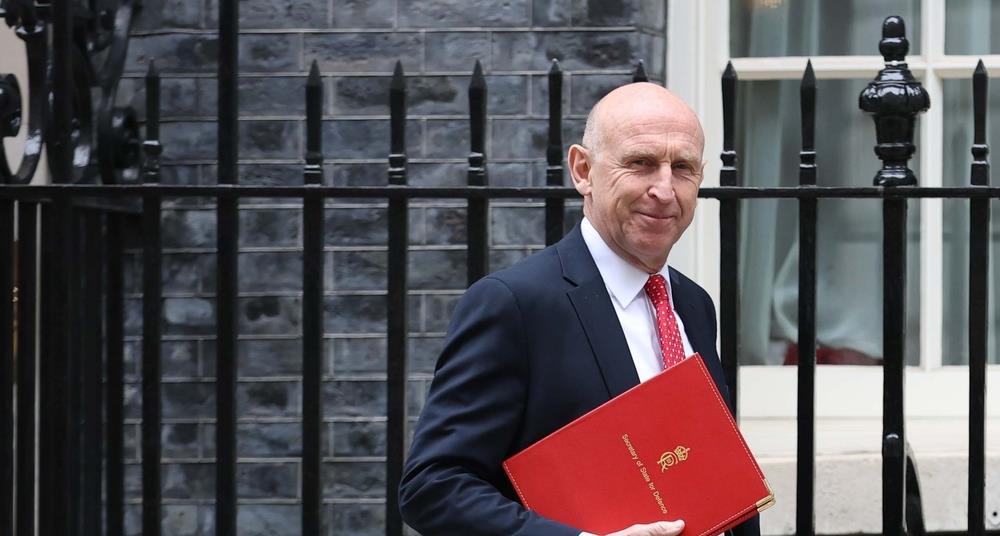
Chancellor John Healey’s Autumn Budget on 28 October 2026 had little to say directly about construction. There were no headline-grabbing announcements for the industry, and most of the property coverage has focused on first-time buyer schemes and savings accounts.
But look a little closer, and you’ll find something arguably more valuable on offer: stability. After a long period of uncertainty, the Budget gives developers, landlords, housing providers and public sector clients a clearer picture of the rules and funding they will be working with over the next few years. For a market that has been holding its breath, that clarity could be exactly what is needed to get projects moving again.
In this article, we look at the measures most relevant to our clients and what they could mean for project management, cost consultancy and building surveying.
A market waiting for confidence
Over the past year, many clients have been cautious. Schemes have been paused at feasibility stage, investment decisions have been deferred and refurbishment programmes have been pushed back while organisations waited to see what the next round of policy and tax changes would bring.
That hesitation is understandable. Construction projects involve long lead times and significant capital commitments, and nobody wants to sign off a budget only to find the regulatory or financial landscape has shifted underneath it.
Industry commentators had largely expected a cautious Budget. The Construction Products Association noted that it was always likely to focus on fiscal responsibility, reassuring financial markets and cost-of-living pressures rather than construction supply chains. In that sense, it delivered what was expected. What matters now is how clients respond to the certainty it provides.
1. Certainty on Building Regulations
The government has committed to avoiding major changes to Building Regulations during this Parliament, with the exception of building safety. Industry bodies have welcomed this as giving housebuilders and developers some much-needed certainty.
For clients, this matters more than it might first appear. Frequent regulatory change adds cost, causes redesign and makes it harder to price risk with confidence. A stable framework means schemes can be designed, costed and procured without worrying that the goalposts will move halfway through.
The Budget also included cuts to biodiversity requirements for brownfield sites, aimed at reducing the administrative burden on developers and encouraging the reuse of disused land.
What it means in practice:
- Cost consultancy: more reliable cost plans and fewer allowances for regulatory uncertainty
- Project management: clearer programmes, with less risk of redesign mid-project
- Building surveying: building safety remains the one area still evolving, so expert advice on compliance, remediation and due diligence will continue to be essential
2. More funding for social and affordable housing
The Social and Affordable Homes Programme receives a further £1.5 billion, taking total investment to more than £40 billion over 10 years and funding around 10,000 additional homes in England. The new money will be allocated between 2027-28 and 2030-31 and will be prioritised for Social Rent, especially council homes.
This is welcome news given how oversubscribed the first round of bidding was earlier this year. Councils will also keep the preferential Public Works Loan Board rate for housebuilding for a further year, to 2027-28, alongside measures intended to reduce the complexity and cost of councils building new homes.
What it means in practice:
- Housing associations and local authorities now have a clearer funding pipeline to plan against
- Schemes that were stalled for lack of grant may now be viable, making it a good time to revisit feasibility studies and cost plans
- Delivery will depend on robust cost management, Employer’s Agent support and strong project governance to make sure public money goes as far as possible
3. A push on apprenticeships and skills
At least 3% of the workforce on large government construction and infrastructure projects will now need to be apprentices, and £100 million will go towards expanding mayoral apprenticeship services.
The industry has faced skills shortages for years, and ambitious housebuilding targets will only be met if the sector has the people to deliver them. This measure should help build that capacity over the long term.
It is a cause close to our hearts. Several members of the Wakemans team started their careers as apprentices or graduates and have progressed to director level within the business. We know first-hand that investing in new talent pays off, both for individuals and for the clients they go on to serve.
What it means in practice:
- Contractors bidding for public sector work will need to demonstrate apprenticeship commitments
- Clients procuring large schemes may want to build these requirements into tender documentation and project reporting
Other measures worth watching
A few further announcements could have a knock-on effect for property and construction businesses:
- Devolution: from next year, mayors will retain a 20% share of business rates, and from 2028 a proportion of income tax will also be assigned to them. Combined authorities, including here in the West Midlands, are set to play a bigger role in funding and delivering local projects.
- Landlord taxation: income tax on property income will rise by a further 2 percentage points from 6 April 2027, taking the property basic, higher and additional rates to 24%, 44% and 49%. Private landlords may respond by reviewing their portfolios, which could increase demand for condition surveys, dilapidations advice and pre-acquisition or pre-sale due diligence.
- First-time buyers: the new Your First Home scheme will allow eligible first-time buyers in England to purchase participating new-build homes with a 2.5% deposit and a government-backed equity loan of up to 20%, supported by £4.7 billion of funding. This should help underpin demand for new-build residential schemes.
What this means for you
None of these measures will transform the market overnight. But stability gives clients the confidence to plan, and planning is what gets projects moving.
If you have a scheme on hold waiting to see what the Budget would bring, now is a good time to revisit it. A refreshed cost plan, an updated feasibility study or a condition survey of an existing asset can help you make an informed decision on whether to move forward.
At Wakemans, our team of chartered surveyors and project managers has been supporting clients through changing markets for more than a century. Whether you need cost consultancy, project management, building surveying or Employer’s Agent services, we would be happy to talk through your plans and help you take the next step with confidence.
Get in touch with our team to discuss your project.